
Nuclear Medicine
Milano
Via Giacomo Venezian, 1 , 20133 Milano MI
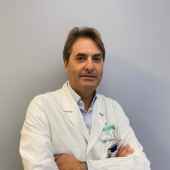
The Complex Unit of Nuclear Medicine carries out diagnostic and therapeutic procedures using unsealed radioisotopes, as well as research activities. Nuclear Medicine employs techniques that utilise radiopharmaceuticals, i.e. substances labelled with radioisotopes that distribute throughout the body, generating images (for diagnostic purposes) or irradiating pathological processes (radio-metabolic therapy).
Within the Complex Unit, diagnostic investigations are carried out using gamma-emitting radiopharmaceuticals (planar scintigraphy and SPECT) and positron-emitting radiopharmaceuticals (PET scans); there are also radiochemistry laboratories equipped for the production of radiolabelled molecules, which can be used for both the diagnosis and treatment of tumours. The production of radiopharmaceuticals for use in oncology is the subject of active clinical research, which also utilises experimental animal models, studied using Micro-PET.
Nuclear medicine techniques are high-tech methods that utilise highly sophisticated imaging and measurement equipment, controlled by dedicated computers programmed to record, process and reproduce images. These images can be obtained either using positron-emitting radiopharmaceuticals, whose biodistribution is visualised using tomographic equipment known as PET, or using gamma-ray-emitting radiopharmaceuticals, whose spatial distribution is obtained using gamma cameras. These gamma cameras can produce planar images, known as scintigrams, or tomographic images known as SPET. Modern detection instruments are generally ‘hybrid machines’ (PET/CT or SPET/CT) consisting of equipment in which the radioactivity detector is coupled with radiological equipment (in this case, a CT scanner), allowing morphological data to be recorded during the same session and on the same patient, which is ultimately combined with the nuclear medicine functional image. All of this enhances diagnostic accuracy.
As radiopharmaceuticals are selectively taken up by specific physiological or pathological processes – such as in the case of tumours – when labelled with high doses of radioactivity, they can also be used for therapeutic purposes. This particular type of therapy is known as radiometabolic therapy, as irradiation takes place within the pathological process after the radiopharmaceutical has been incorporated into the cells.
Specific methods involve radiochemical procedures, which are used for the preparation, quality control and calibration of radiopharmaceuticals to be administered to patients for diagnostic imaging or therapeutic purposes.
Other methods of interest are dosimetric methods, which allow for the pre-therapeutic calculation of the dose to be administered to patients who are candidates for radiometabolic treatments. These methods involve the injection of small quantities of radiopharmaceutical and the study of its biodistribution within the body, including the calculation of residence time and activity-time curves. These data are used to calculate the optimal dose for individualised treatment.
Within the department, specific methodological approaches are employed, such as radio-guided surgery, which involves locating pathological processes by using intraoperative detection probes to determine whether a specific tissue, organ or region is being reached by a specific radioactive molecule. In this way, it is possible to identify the presence of pathology or metastatic involvement in vivo on the operating table, which allows for the implementation of an optimal surgical strategy. The most obvious example of this is the search for the sentinel lymph node in breast cancer, melanoma and uterine cancer.
Another method of interest for the study of bone pathology is BMD (Bone Mineral Density), an instrumental approach that allows the determination of the mineral content of different bone regions and the composition of lean body mass; these factors are important for assessing skeletal changes in cancer patients undergoing chemotherapy or hormonal treatments.
The Complex Unit of Nuclear Medicine is managed by a Complex Unit Director, assisted by two Senior Unit Managers who coordinate specific areas of the discipline. Some senior staff have acquired particular specialisations in specific sectors, such as Radioguided Surgery and Paediatric Nuclear Medicine. Furthermore, the Unit employs doctors specialising in various clinical sectors as well as in Nuclear Medicine, such as specialists in Oncology, Radiology and Endocrinology. The discipline also requires collaboration with graduates in various other fields such as Chemistry, Biology, Physics and Engineering. These professionals are supported by other staff who contribute to clinical and research activities, such as radiology and laboratory technicians, nurses and technical staff. Administrative duties are handled by experienced staff with expertise in administration, accounting and regulatory matters.
All activities take place within the framework of a Continuous Quality Improvement System, which ensures the optimisation of procedures, the ongoing updating of protocols and controls, and patient satisfaction.
The PET Clinic Unit is equipped with two PET/CT scanners, two radiochemistry laboratories with synthesis modules and measuring instruments, a quality control laboratory, an injection room, and outpatient clinics for patient consultations and waiting areas. One section is dedicated to pre-clinical research and includes a small animal facility with an attached Micro-PET scanner.
The Nuclear Medicine and Endocrinology Unit is equipped with four inpatient rooms providing a total of six beds, an experimental measurement laboratory with associated counting equipment, and multidisciplinary outpatient clinics.
Furthermore, within the Complex Unit, there are 3 gamma cameras, 2 of which are SPET/CT types, a MOC, a traditional ‘Hot Cell’ radiochemistry laboratory, administration rooms for injections, and dedicated outpatient clinics and waiting rooms.
Administrative activities primarily involve supporting the Management and clinical and research activities through a dedicated Secretariat. All sectors are staffed with personnel and IT resources that serve as the point of contact for the various areas of the Complex Structure of Nuclear Medicine.
Medical, non-medical, nursing, technical and auxiliary staff are assigned to the various departments according to criteria of competence and specialisation and, where applicable, managed on a rota basis, in accordance with the functional organisation set out in the facility’s Quality Management System Organisation Document.
Diagnostic clinical services at the Complex Unit for outpatients are available from 08.30 to 17.30, Monday to Friday, by appointment.
BOOKING DIAGNOSTIC TESTS
Appointments for PET scans and traditional nuclear medicine (SPET) tests are booked at the CUP (Central Booking Office) of the Department of Diagnostic Imaging and Radiotherapy, either in person at the counter or by telephone (Tel. 0223901) from Monday to Friday between 08.30 and 16.00.
Patients booking diagnostic examinations are asked to provide personal details necessary for the correct performance of the examination and to verify the accuracy of the prescription.
For some examinations, specific preparation is required (fasting, bowel preparation, discontinuation of certain medications, etc.). In such cases, patients are provided with detailed instructions at the time of booking.
OUTPATIENT APPOINTMENTS
Bookings for all outpatient appointments (Nuclear Medicine Clinic, Endocrinology Clinics, Multidisciplinary Thyroid Clinic) are also made through the CUP, either in person or by telephone, using the same procedure as described above.
HOSPITAL ADMISSIONS
For inpatient care, admissions are scheduled on a fixed date by the hospital’s doctors, once the patient has been examined and the medical records reviewed. Upon admission, the patient completes the administrative check-in at the Institute’s Admissions Office, after which they must report to the Nuclear Medicine Department, whose telephone number is 02 2390 2688.
COLLECTION OF RESULTS
Test results must be collected within the specified times from the Foundation’s Results Collection Centre (Tel. 02 23902057) between 08.30 and 17.00, Monday to Friday. By law, test results may only be collected by the patient themselves or by a representative appointed by them if, for privacy reasons, the patient is unable to do so.
Imaging records are stored digitally on the Institute’s RIS-PACS system for all patients. As these records are kept in the electronic archive, patients who wish to obtain a copy must make an explicit request at the time of the examination and agree to pay the cost, where applicable.
All patients undergoing diagnostic examinations are provided with easy-to-read information explaining what the examination involves, the usual waiting time, and the main precautions. Patients wishing to obtain further information may contact the healthcare staff during the pre-examination consultation or before the examination itself to seek further clarification.
DIAGNOSTIC SERVICES
- Imaging PET
- Imaging Tradizionale (Scintigrafia planari e SPET)
NUCLEAR MEDICINE THERAPY
The facility is equipped with a secure ward comprising four rooms and six beds, where nuclear medicine treatments are carried out. These treatments involve the use of high levels of radioactivity, which are delivered to the tumour or target organ via a specific carrier: the radiopharmaceutical. These radiopharmaceuticals bind to structures expressed by malignant tumours or are metabolised by them, thereby exerting a therapeutic effect by delivering considerable radiant energy to the lesion (metabolic radiotherapy). Patients admitted to the Nuclear Medicine Therapy Unit must remain in a protected ward for a certain number of days, usually one to four, and during their stay they may not come into contact with family members, except in exceptional cases (for example, young patients who need their parents or adult patients who are not self-sufficient and require family assistance). Only the Unit’s staff (doctors and nurses) have access to the secure wards and provide direct care to patients. The patient must normally undergo appropriate preparation, which varies from case to case, and which is explained to the patient by the ward doctor during a consultation at the time of planning the admission. Admission must be scheduled for a fixed date in order to organise the supply of radiopharmaceuticals and arrange for their delivery to the ward to coincide with the patient’s admission.
The inpatient unit treats a range of cancers: thyroid tumours, neuroendocrine tumours (GEP tumours, pheochromocytomas, neuroblastomas), lymphomas, bone metastases from epithelial tumours, hepatocellular carcinomas and liver metastases. Treatment cycles may be repeated several times, provided there is an appropriate interval between them. In some cases, treatment may also be provided on an outpatient basis with the patient being discharged the same day, but this applies only to a very specific group of patients. In such cases, the patient needs to remain at the Institute for just a few hours, after which they are discharged with recommendations to follow at home.
The Unit carries out approximately 500 treatment sessions annually.
OUTPATIENT CLINICS
Outpatient clinical work is important as it enables, in many cases, the selection of patients for radiometabolic treatments and the assessment of the effects of such therapies. The expertise of the doctors working in the outpatient clinic is multidisciplinary; in addition to nuclear medicine, they also draw on expertise in oncology, endocrinology, surgery, otolaryngology, radiology, etc. This multi-professional approach offers opportunities to optimise diagnoses and design consistent and effective diagnostic and therapeutic pathways.
Outpatient services are provided on a daily basis and are divided into three categories:
• Endocrinology clinics: patients with endocrine disorders—whether primary or arising as a result of cancer—are assessed. A key focus is on growth and development, particularly in paediatric patients with endocrine deficiencies secondary to tumours of the central nervous system or to anti-tumour treatments. This latter activity is carried out in a multidisciplinary manner in close collaboration with colleagues from Paediatric Oncology; the clinic is open on Tuesdays from 10.00 to 12.00 and from 13.30 to 16.00; on Thursdays from 10.00 to 12.00; and on Fridays from 10.00 am to 12.00 pm.
• Nuclear medicine clinics: aimed at patients undergoing or due to undergo nuclear medicine treatments, in particular those with thyroid neoplasms and neuroendocrine tumours; The clinic is open every Thursday from 2.00 pm to 4.00 pm
• Multidisciplinary thyroid clinics: these clinics are intended for patients with thyroid conditions who, upon first visiting these centres, require a clinical and therapeutic assessment covering both medical-endocrinological and surgical aspects. These clinics are staffed by a specialist surgeon (ENT or Maxillofacial Surgeon) and a specialist in thyroid disorders (Endocrinologist or Nuclear Medicine Specialist). The clinic is open on Mondays and Wednesdays from 2.00 pm to 4.00 pm.
Activity Data
The unit carries out 4,000 outpatient consultations per year.
The Nuclear Medicine Department is involved in a range of research activities funded by grants from private and public bodies, covering both diagnostic and therapeutic fields. The main areas of research are outlined below in brief; more detailed information can be found in the Scientific Report published annually by the Institute.
Thyroid cancer metastases: a new therapeutic approach to increase the likelihood of recovery.
Adopting a personalised approach to radioactive iodine therapy using an innovative method to maximise its effectiveness.
An approach to radioactive iodine therapy The study focuses on increasing the likelihood of complete remission from thyroid cancer metastases, specifically in the 15% of high-risk patients who do not respond to conventional radioactive iodine therapy (iodine-131).
In practice, we are taking a new approach to an established therapy, personalising it using a precise method carried out prior to the actual treatment.
The conventional therapeutic approach may not be optimal because it involves administering a fixed dose of iodine-131, which is practically the same for all metastatic patients, much like antibiotics.
This method does not take into account the fact that the uptake and retention time of therapeutic iodine in the metastases, as well as in the circulating blood, vary greatly from person to person. Therefore, when the same therapeutic dose is administered to two people, both the efficacy and the side effects can differ significantly. We personalise it using an innovative method to achieve maximum efficacy.
The standard doses prescribed are low enough to rarely cause side effects. However, this means that patients who could tolerate higher therapeutic doses are treated at levels below their individual tolerance, potentially reducing the treatment’s effectiveness.
In this study, however, the optimal therapeutic dose for each individual is carefully assessed prior to treatment using a method known as ‘dosimetry’. This diagnostic-based prediction for therapeutic purposes is known as ‘theragnostics’, and is one of the strengths of nuclear medicine. Furthermore, precisely because of its aim to personalise treatment, the study forms part of one of the main avenues of innovation in contemporary medicine: personalised medicine, or precision medicine.
In practice, a small amount of another type of iodine in liquid form, known as iodine-124, is administered orally. In Europe, this substance is used in only three other centres. The physicist takes measurements of the whole body and venous blood samples on days 1, 2 and 5. Images are also acquired on the second and fifth days using the most advanced nuclear medicine technology, PET. This allows for the measurement of highly individualised parameters of radioactive iodine in each patient, such as the extent of uptake and the retention time in the body and within lesions. Based on the physicist’s calculations, the nuclear medicine specialist selects the optimal therapeutic dose for each individual, aiming for efficacy without exceeding the individual safety limit.
In summary, the fixed-dose approach is certainly more straightforward and simpler in practice, and generally has very mild side effects, but a personalised approach using dosimetry, making the most of each patient’s tolerance, should be more effective.
This assertion, which is based on intuition and a very limited number of published studies, is justified because, thanks to personalised dosimetry, we can safely administer a dose three times higher than the standard dose. Therefore, whilst this requires greater personal commitment, we offer the patient a ‘tailored’ treatment, based on a cutting-edge method, with a potentially higher chance of recovery.
CONTACT: National Cancer Institute – Nuclear Medicine 02 2390 2220
daria.scienza@istitutotumori.mi.it
Radiochemistry studies and the development of innovative radiopharmaceuticals
In the PET Radiochemistry laboratories, innovative radiopharmaceuticals have been and continue to be synthesised that are extremely useful in oncological diagnostics, such as 18F-FLT (fluorolevotimidine: an in vivo marker of cell proliferation), 18F-FET (fluoroethyltyrosine: an in vivo marker of brain tumours), and 68Ga-DOTATOC (an in vivo marker of neuroendocrine tumours).
Furthermore, radiopharmaceuticals effective in the therapeutic setting have also been developed, such as somatostatin analogues radiolabelled with 90Y and 177Lu, which have proved particularly effective in patients with neuroendocrine tumours unresponsive to conventional therapies.
In addition to developing new radiopharmaceuticals, the Unit is also actively engaged in researching innovative methodological approaches. These include, in brief:
1) Study of sentinel lymph nodes in various types of cancer (breast cancer, melanoma, gynaecological cancers, urological cancers, etc.)
2) Radiolocalisation studies during surgical procedures (thyroid carcinomas, neuroendocrine tumours)
3) Locoregional treatments in patients with hepatocellular carcinoma via endoarterial infusion of radiolabelled particles (radioembolisation)
4) Dosimetric studies aimed at the pre-treatment assessment and calculation of optimal radiopharmaceutical activity to be administered to the patient, enabling the achievement of maximum therapeutic activity whilst minimising side effects on healthy organs. These studies are applied to treatments with radioiodine (thyroid tumours), 131I-mIBG (neuroblastoma), 177Lu-DOTATOC (neuroendocrine tumours) and 90Y-microspheres (hepatocellular carcinoma).
The Department of Nuclear Medicine is one of the national centres of excellence for nuclear medicine applications in oncology.
For this reason, the Director, research staff and general staff contribute to the drafting of texts and manuals which are frequently adopted by various societies and institutions as a reference for diagnostic and therapeutic procedures.
This takes place within the framework of ongoing collaboration and participation with the Italian Association of Nuclear Medicine and Molecular Imaging (AIMN), the European Association of Nuclear Medicine and Molecular Imaging (EANM), and the IAEA (International Atomic Energy Agency).
Numerous guidelines and manuals have been developed for nuclear medicine diagnostics in oncology (methods and indications), for nuclear medicine therapy (thyroid cancer and lymphomas), for dosimetry, and for the correct use of tumour markers in oncology.
These publications can be found on PubMed under the names of the staff members of the Department.
Dott. Maccauro Marco
Direttore di struttura complessa
Dott.ssa Alessi Alessandra
Medical Director
Dott.ssa Lorenzoni Alice
Medical Director
Dott.ssa Padovano Barbara
Medical Director
Dirigenti medici:
- Gianluca Aliberti
- Margarita Kirienko
- Gianluca Serafini
Dirigenti non medici:
- Anna Bogni (Biologa)
- Carlo Chiesa (Fisico)
- Claudio Pascali (Chimico)
Collaboratori a contratto:
- Giovanni Argiroffi (Medico)
- Chiara Beretta (Chimico)
- Claudio Cucchi (Chimico)
- Marika Mainente (Chimico)
- Federica Pallotti (Medico)
Borsisti di Ricerca:
- Matteo Bagnalasta (Fisico)
- Federica Scalorbi (Medico)
Personale amministrativo:
Daria Scienza (Segretaria)
Diagnostica PET
Terapia Medico Nucleare
Last update: 16/04/2026